

Exploring Northern Strains: Origins, Characteristics, and Cultivation
Northern Strains, known for their unique flavor profiles and robust genetics, have captivated cannabis enthusiasts and cultivators alike. These strains, which primarily originate from the colder regions of the Northern Hemisphere, offer both resilience and potency. As we delve deeper into the realm of Northern Strains, we’ll explore their distinct features, growth patterns, and the potential benefits they present.
1. The Origins of Northern Strains
The term “Northern Strains” typically refers to cannabis varieties that have been bred in or adapted to cooler climates, particularly in regions like Canada and Northern Europe. Due to their geographical origins, these strains are inherently resistant to lower temperatures and certain pests, which makes them an excellent choice for outdoor cultivation in northern latitudes.
Historically, many Northern Strains are landrace strains that have evolved over time. They have been selectively bred by indigenous cultures to enhance desirable traits such as high resin production and disease resistance. The isolation of these strains in northerly regions has led to unique genetic profiles that contribute to their distinctive characteristics.
2. Characteristics of Northern Strains
Northern Strains are often characterized by several notable features that set them apart:
- Resilience: These strains are hardy and can withstand fluctuations in temperature and weather conditions. They are well-suited for outdoor growing in northern climates.
- Shorter Flowering Times: Due to the shorter growing seasons in northern regions, these strains typically have a quicker flowering period compared to their tropical counterparts.
- Aromas and Flavors: Northern Strains often showcase sweet, earthy, and piney flavors that reflect their natural environment. Many users appreciate the more subdued and complex profiles of these strains.
- Resin Production: High resin content is common in Northern Strains, making them ideal for hash production and other concentrates.
3. Growing Northern Strains
For those interested in cultivating Northern Strains, there are several key considerations to ensure a successful grow:
3.1 Indoor vs. Outdoor Cultivation
Northern Strains can be grown effectively indoors and outdoors. Indoor growing allows for better control over environmental conditions, which can help maximize yield and potency. Outdoor cultivation, however, can leverage natural sunlight and potentially lead to larger plants, provided the grower can manage the climate effectively.
3.2 Soil and Nutrient Requirements
These strains typically thrive in nutrient-rich soil that drains well. Organic soils can be particularly beneficial, as they support the microbial activity necessary for healthy root development. Regular nutrient monitoring and adjustments during the vegetative and flowering stages can help prevent deficiencies or excesses.
3.3 Light Requirements
In terms of light, Northern Strains generally require a consistent light cycle to flourish. While they can adapt to various light setups, growers should ensure that plants receive adequate light during the vegetative stage to promote healthy growth.
3.4 Watering Practices
Watering should be done carefully to avoid overwatering, which can lead to root rot. Northern Strains are typically more tolerant of drought than over-saturation. Regularly checking the moisture level of the soil can inform watering schedules.
4. The Effects and Benefits of Northern Strains
The effects of Northern Strains can vary widely based on the specific strain and its cannabinoid profile, but many users report a balanced combination of physical relaxation and mental clarity. These strains often provide relief from stress, pain, and insomnia, making them suitable for both recreational and medicinal use.
The terpene profiles of Northern Strains contribute significantly to their effects. Common terpenes found in these strains include:

- Myrcene: Known for its sedative effects, myrcene can enhance relaxation and decrease anxiety.
- Limonene: This terpene may uplift mood and enhance mental clarity.
- Pinene: With potential anti-inflammatory effects, pinene can also aid in focus and memory retention.
5. Notable Northern Strains
Several iconic Northern Strains have gained popularity in the cannabis community due to their unique traits and effects. Some examples include:
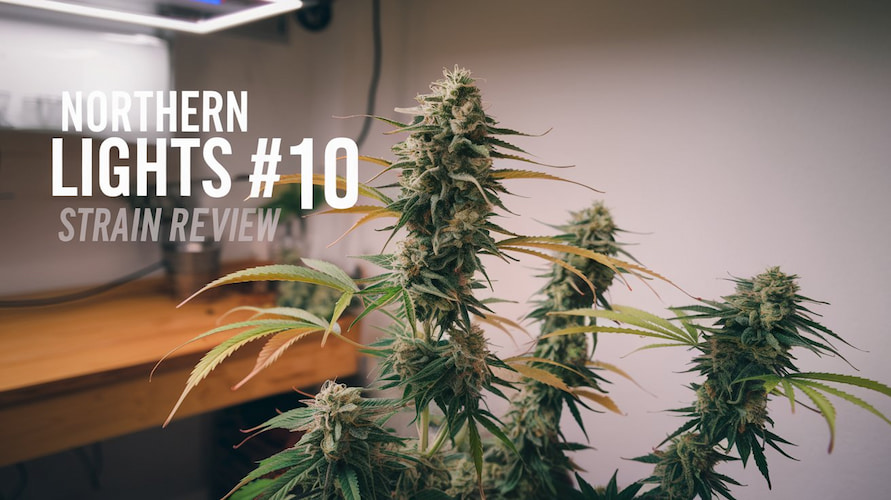
- Northern Lights: A classic indica strain renowned for its calming effects and sweet, earthy flavor profile.
- Sour Diesel: A sativa-dominant strain known for its energizing effects and pungent diesel aroma.
- White Widow: This hybrid strain is famous for its resin production and balanced effects, making it a favorite among users.
6. Conclusion
Northern Strains offer a unique glimpse into the diverse world of cannabis cultivation. Their resilience, distinctive flavors, and potential benefits make them a solid choice for both novice and experienced growers. By understanding their specific needs and characteristics, growers can successfully cultivate these strains, enhancing their overall cannabis experience.
Whether you are an enthusiast looking to try a new strain or a cultivator interested in adding Northern Strains to your garden, there is a wealth of knowledge to explore. As research and cultivation techniques continue to evolve, the future of Northern Strains looks brighter than ever.