
Extradition Legal Support: Navigating Cross-Border Challenges
The complex landscape of international law often brings about challenging legal scenarios, particularly in cases of extradition. When individuals face charges in one country but find themselves in another, the process of extradition becomes crucial. This article delves into the importance of extradition legal support and how skilled lawyers assist their clients in navigating these intricacies. For a comprehensive overview of the role of attorneys in extradition proceedings, visit extradition legal support https://contactdance.co.uk/pages/?extradition-legal-support-how-lawyers-assist-in-cross-border-cases.html.
What is Extradition?
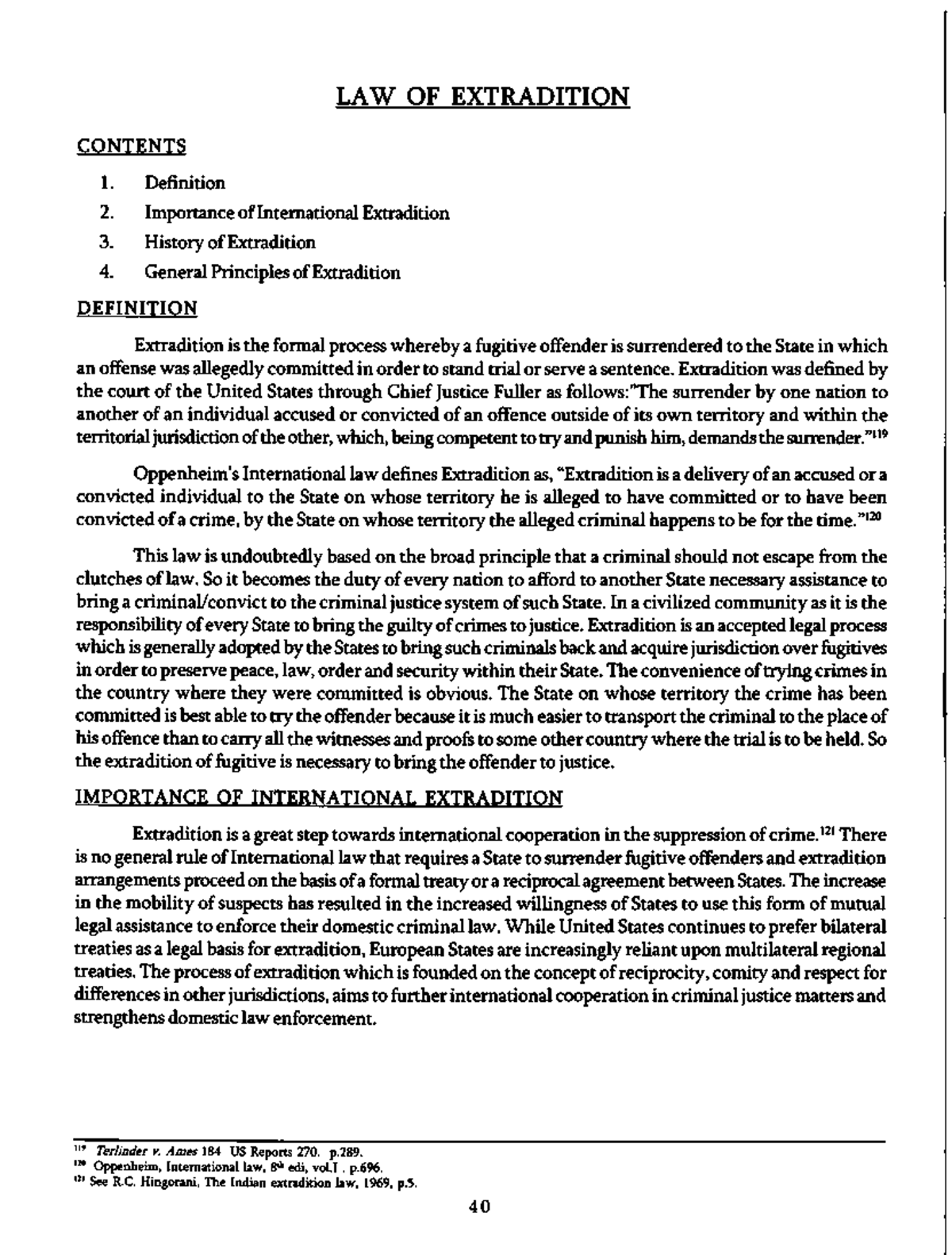
Extradition is a legal procedure whereby one jurisdiction surrenders a suspected or convicted criminal to another jurisdiction for trial or punishment. This process serves to uphold the rule of law and ensure that justice is delivered, regardless of geographical boundaries. While extradition treaties exist between many countries, the process can be fraught with complications, making the need for legal support essential for those involved.
The Extradition Process
The extradition process typically begins when an individual is located in a country different from where they are wanted. The requesting country must provide evidence to support its claims, which can include detailed information about the charges and, in many cases, a formal request for extradition. This request is examined by the authorities of the country where the individual is located, who must assess various factors, including bilateral treaties, the nature of the crime, and the legal rights of the accused.
The Role of Legal Support in Extradition Cases
Legal support is vital in extradition cases for several reasons:
- Understanding Complex Laws: Extradition laws vary significantly from one jurisdiction to another. Experienced lawyers understand these nuances and can provide informed guidance.
- Assessment of Eligibility: Lawyers evaluate whether the extradition request meets legal standards and whether the individual has grounds to contest it.
- Representation in Court: If legal proceedings ensue, having a lawyer ensures that the individual’s rights are defended in court.
- Negotiating Plea Deals: In some cases, legal representatives can negotiate plea deals or alternative resolutions that might be available to their clients.
- Appealing Decisions: If extradition is granted, lawyers can help file appeals against that decision, providing essential support throughout the appellate process.
Common Challenges Faced in Extradition
There are several challenges that individuals and their legal teams may face throughout the extradition process:
- Political Offenses: Many countries refuse to extradite individuals who are charged with political offenses, which can complicate cases.
- Potential for Human Rights Violations: Concerns regarding the treatment of the accused in the requesting country can serve as a basis for resisting extradition.
- Insufficient Evidence: The evidence presented in support of the extradition request must be robust. If it falls short, legal counsel can argue against the extradition.
- Language Barriers: In cross-border cases, language differences can hinder communication and complicate legal proceedings. Lawyers often find themselves navigating these barriers.
Choosing the Right Legal Representation
When faced with an extradition situation, selecting the right legal representation is crucial. Here are several considerations when choosing an attorney:


- Experience in Extradition Cases: Look for lawyers who have a proven track record in handling extradition matters, ideally with cases similar to your own.
- Local and International Expertise: Lawyers familiar with both domestic and international law provide valuable insights and robust defense.
- Communication Skills: Effective communication is key. Ensure that your lawyer can explain intricate legal concepts clearly and provide updates on your case.
- Reputation: Research the attorney’s reputation. Reviews, testimonials, and their standing in the legal community can offer insight into their capabilities.
Conclusion
In today’s interconnected world, extradition legal support plays an indispensable role in the pursuit of justice across borders. The complexities of extradition law necessitate the expertise of knowledgeable lawyers who can guide individuals through the legal maze, advocating for their rights and ensuring a fair legal process. As you navigate potential extradition scenarios, remember the importance of seeking legal assistance to protect your interests and uphold your rights.